
The digital content landscape has undergone a remarkable transformation in recent years, with video consumption reaching unprecedented levels across all platforms. As creators, studios, and businesses strive to meet the growing demand for high-quality video content, traditional rendering methods have become increasingly inadequate. Enter cloud-based video rendering services – a revolutionary approach that’s reshaping how we process, produce, and deliver video content in the modern era.
Understanding Cloud-Based Video Rendering
Cloud-based video rendering represents a paradigm shift from traditional desktop-bound processing to distributed computing power accessible via the internet. This technology leverages remote servers and advanced algorithms to handle the computationally intensive task of converting raw video footage into polished, ready-to-publish content. Unlike conventional methods that rely on local hardware limitations, cloud rendering harnesses virtually unlimited processing capabilities.
The concept emerged from the growing recognition that video rendering demands often exceed the capabilities of individual workstations. Professional video editors and content creators frequently encountered bottlenecks when working with 4K, 8K, or complex visual effects that required hours or even days of processing time. Cloud-based solutions address these challenges by distributing rendering tasks across multiple high-performance servers simultaneously.
The Technical Foundation
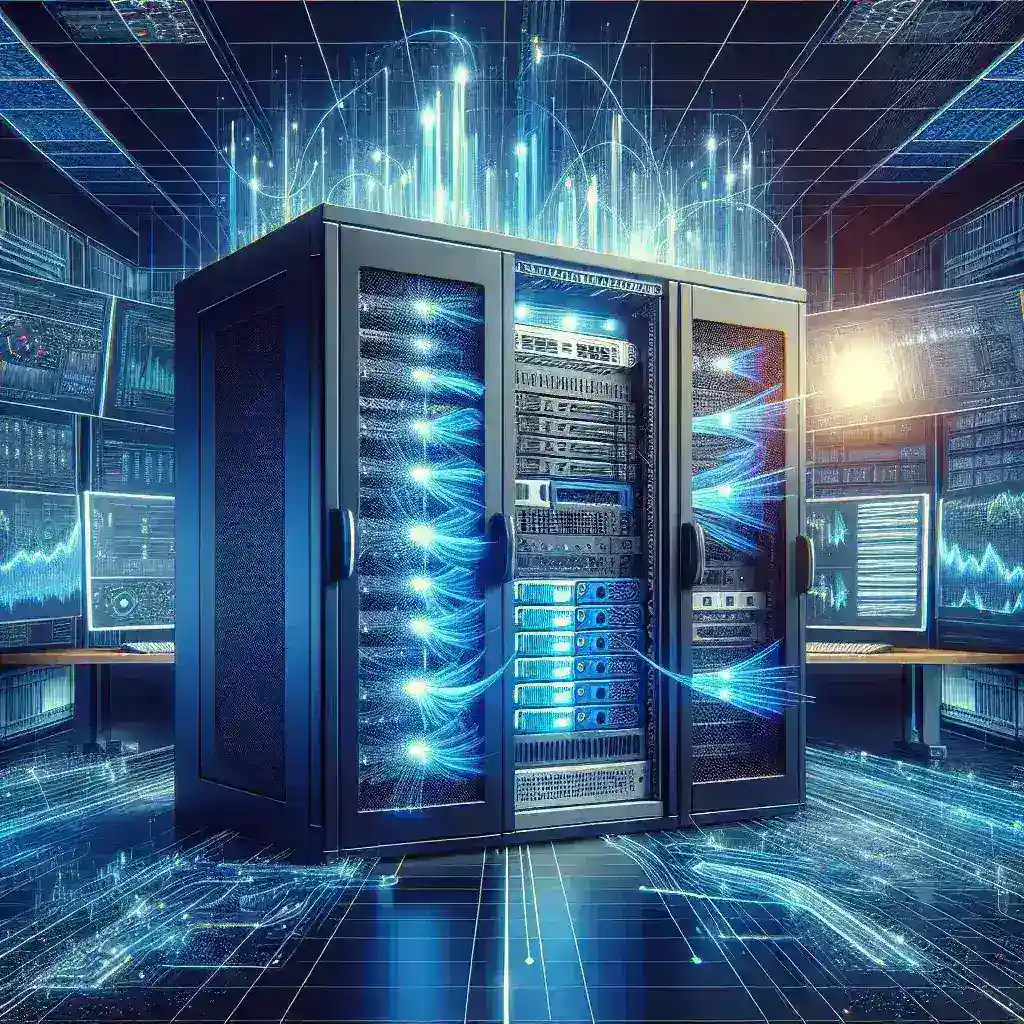
At its core, cloud video rendering operates on sophisticated distributed computing principles. When a user uploads their project files to a cloud platform, the system automatically analyzes the content and breaks down the rendering process into smaller, manageable chunks. These segments are then distributed across multiple processing nodes, each equipped with powerful GPUs and CPUs specifically optimized for video processing tasks.
The infrastructure typically includes specialized hardware configurations featuring NVIDIA Tesla or AMD Instinct graphics cards, high-speed storage systems, and robust network connections. This setup ensures that even the most demanding projects – such as Hollywood-level visual effects or complex 3D animations – can be processed efficiently without compromising quality.
Key Components of Cloud Rendering Systems
- Load Balancing Technology: Automatically distributes rendering tasks across available resources
- Scalable Storage Solutions: Accommodates projects of any size with elastic storage capacity
- Real-time Monitoring: Provides users with progress updates and quality control features
- Security Protocols: Implements enterprise-grade encryption and access controls
- Integration APIs: Seamlessly connects with popular editing software and workflows
Advantages Over Traditional Rendering Methods
The shift toward cloud-based rendering offers numerous compelling advantages that address long-standing industry pain points. From a professional perspective, the most significant benefit lies in the dramatic reduction of processing time. Projects that previously required overnight rendering can now be completed in minutes or hours, depending on complexity and available resources.
Cost efficiency represents another crucial advantage. Traditional rendering setups require substantial upfront investments in high-end hardware, which quickly becomes obsolete as technology advances. Cloud services operate on a pay-per-use model, allowing creators to access cutting-edge technology without the burden of ownership costs, maintenance, or depreciation.
Scalability emerges as perhaps the most transformative aspect of cloud rendering. During peak production periods or when working on particularly demanding projects, users can instantly access additional processing power. This flexibility proves invaluable for studios managing multiple projects simultaneously or dealing with tight deadlines.
Collaboration and Accessibility Benefits
Modern content creation increasingly relies on distributed teams working across different geographical locations. Cloud-based rendering facilitates seamless collaboration by providing centralized access to projects and rendering resources. Team members can upload, process, and download content from anywhere with an internet connection, eliminating the traditional constraints of location-specific hardware.
The accessibility factor extends beyond geographical considerations. Smaller studios and independent creators can now access the same rendering capabilities previously reserved for major production houses. This democratization of technology has led to a surge in high-quality content creation across various industries and creative disciplines.
Industry Applications and Use Cases
The versatility of cloud-based video rendering has led to its adoption across numerous industries and applications. In the entertainment sector, major streaming platforms utilize these services to process vast libraries of content for different viewing formats and quality levels. The ability to simultaneously render content for 4K, HD, and mobile formats ensures optimal viewing experiences across all devices.
Educational institutions have embraced cloud rendering for creating instructional content, virtual reality experiences, and interactive learning materials. The technology enables educators to produce professional-quality videos without investing in expensive hardware or requiring specialized technical expertise.
Corporate communications have also been transformed through cloud rendering capabilities. Companies can quickly produce training videos, marketing content, and internal communications with broadcast-quality results. The speed and efficiency of cloud processing align perfectly with the fast-paced nature of modern business communications.
Emerging Applications
Virtual and augmented reality content creation represents one of the most exciting frontiers for cloud-based rendering services. These immersive technologies require enormous computational resources to process 360-degree videos, spatial audio, and interactive elements. Cloud platforms provide the necessary infrastructure to make VR/AR content creation accessible to a broader range of creators.
Artificial intelligence integration is beginning to enhance cloud rendering capabilities further. AI-powered features can automatically optimize settings, enhance visual quality, and even generate certain elements of the content. This intelligent automation reduces the technical barrier to entry while improving overall output quality.
Challenges and Considerations
Despite the numerous advantages, cloud-based video rendering does present certain challenges that users must carefully consider. Internet connectivity remains a critical factor, as uploading and downloading large video files requires substantial bandwidth. Projects involving uncompressed 4K or 8K footage may face significant transfer times, potentially offsetting some of the time savings achieved through faster processing.
Data security and privacy concerns represent legitimate considerations for many organizations. Uploading sensitive or proprietary content to third-party servers requires trust in the service provider’s security measures and compliance standards. While reputable cloud rendering services implement robust security protocols, organizations must evaluate these measures against their specific requirements and regulatory obligations.
Cost management can become complex for users who don’t carefully monitor their usage patterns. While cloud rendering offers cost advantages for many use cases, heavy users might find that expenses accumulate quickly, particularly when working with high-resolution content or complex projects requiring extensive processing time.
Future Outlook and Technological Evolution
The trajectory of cloud-based video rendering services points toward even more sophisticated and accessible solutions in the coming years. Edge computing integration promises to reduce latency and improve performance by processing content closer to users’ locations. This development will be particularly beneficial for real-time applications and live streaming scenarios.
Machine learning algorithms are expected to play an increasingly important role in optimizing rendering processes. These systems will learn from user preferences and project characteristics to automatically suggest optimal settings, predict processing times, and even identify potential issues before they impact the final output.
The integration of blockchain technology may address some current concerns about content security and ownership verification. Distributed ledger systems could provide immutable records of content creation and processing, offering additional protection for intellectual property rights.
Market Growth and Industry Adoption
Industry analysts predict substantial growth in the cloud rendering market, driven by increasing video consumption, the rise of streaming services, and the growing accessibility of content creation tools. This expansion is expected to bring further innovations and competitive pricing as more providers enter the market.
The democratization of video production tools, combined with cloud rendering capabilities, is creating new opportunities for content creators worldwide. Independent filmmakers, social media influencers, and small businesses can now produce content that rivals major studio productions in terms of technical quality.
Conclusion
Cloud-based video rendering services represent a fundamental shift in how we approach video production and processing. By leveraging distributed computing power, these platforms have eliminated traditional barriers related to hardware limitations, geographical constraints, and cost prohibitions. The technology continues to evolve, promising even more sophisticated capabilities and broader accessibility in the future.
For content creators, studios, and businesses considering the transition to cloud-based rendering, the benefits typically outweigh the challenges. The combination of reduced processing times, improved scalability, and enhanced collaboration capabilities makes cloud rendering an increasingly attractive option for modern video production workflows. As the technology matures and becomes more refined, we can expect to see continued innovation and adoption across all sectors of the digital content industry.
The future of video content creation lies in the cloud, where unlimited processing power meets creative vision to produce the compelling visual experiences that define our digital age. Whether you’re a seasoned professional or an aspiring creator, cloud-based video rendering services offer the tools and capabilities necessary to bring your creative vision to life with unprecedented efficiency and quality.



Leave a Reply